
Increff review
Warehouse, order and merchandise planning software for fashion and D2C brands selling across marketplaces.
A serious supply chain stack for multi-channel apparel brands that outgrew a marketplace dashboard, though it is an implementation project with quote-only pricing rather than a self-serve app.
Pros
- Serialised inventory tracks stock at the individual item level, which is how apparel brands reconcile size and colour variants without guesswork
- Order routing keeps inventory in sync across marketplaces, retail and web in seconds rather than on a scheduled batch
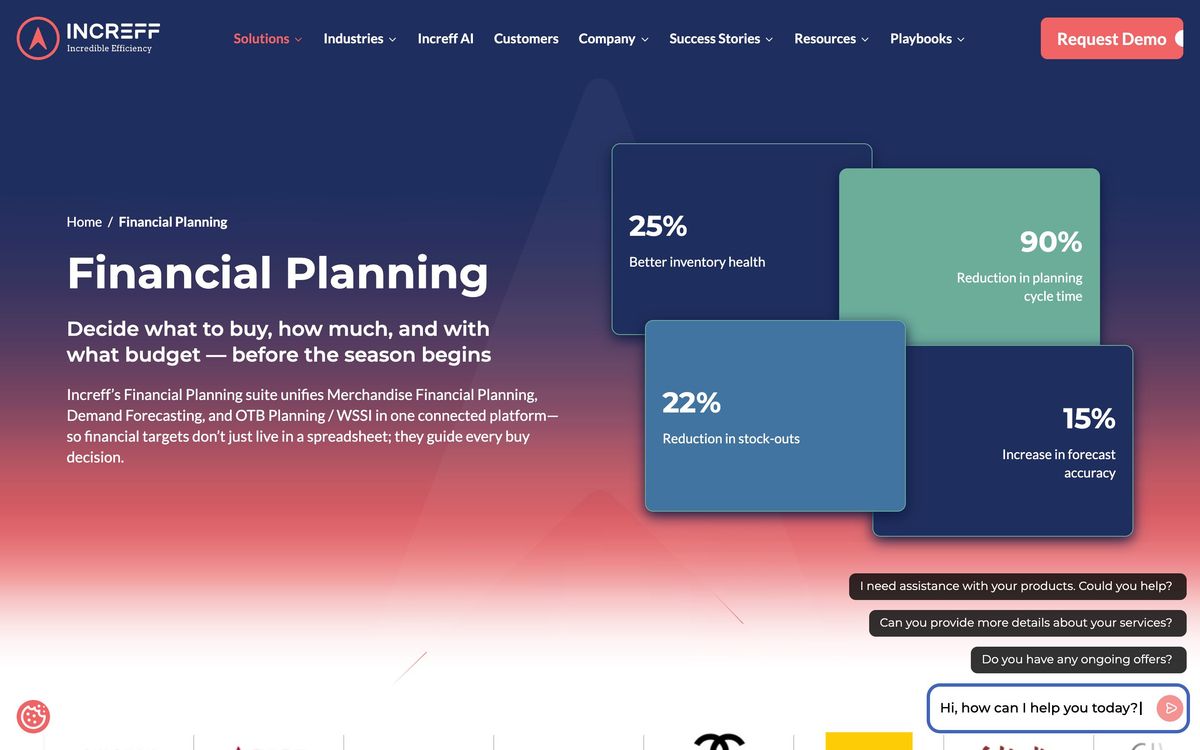
- Merchandise planning covers demand forecasting, assortment, allocation, replenishment and markdown in the same system that holds the stock data
- Store fulfilment options include click-and-collect, in-store returns and endless aisle, so retail locations become dispatch points
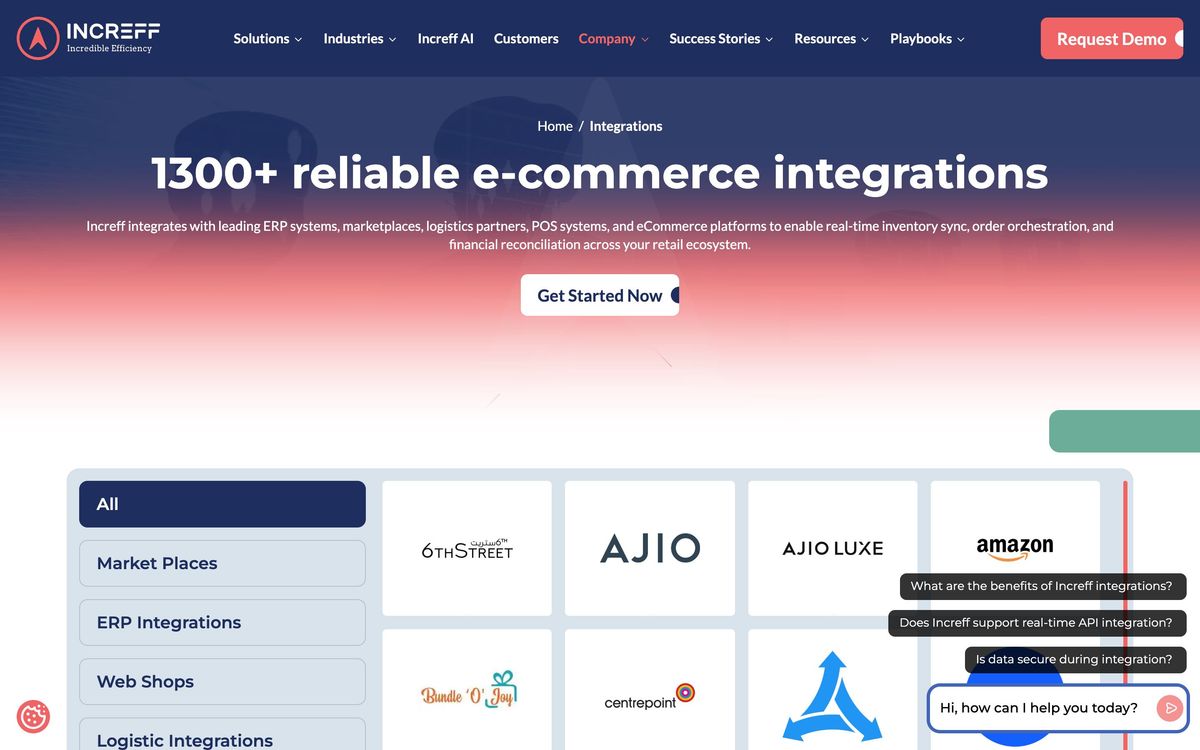
- The connector list reaches both ends of the stack: marketplaces and storefronts on one side, SAP, NetSuite and Oracle on the other
Cons
- Pricing is quote-only with no published tiers, so budgeting requires a sales conversation and a scoping exercise before any number appears
- This is enterprise software with an implementation period and change management attached, not something a small brand switches on over a weekend
- The product and the reference customers are weighted heavily towards fashion and towards India and neighbouring markets, so a brand in another category or region should verify local logistics and marketplace coverage carefully
What Increff actually does
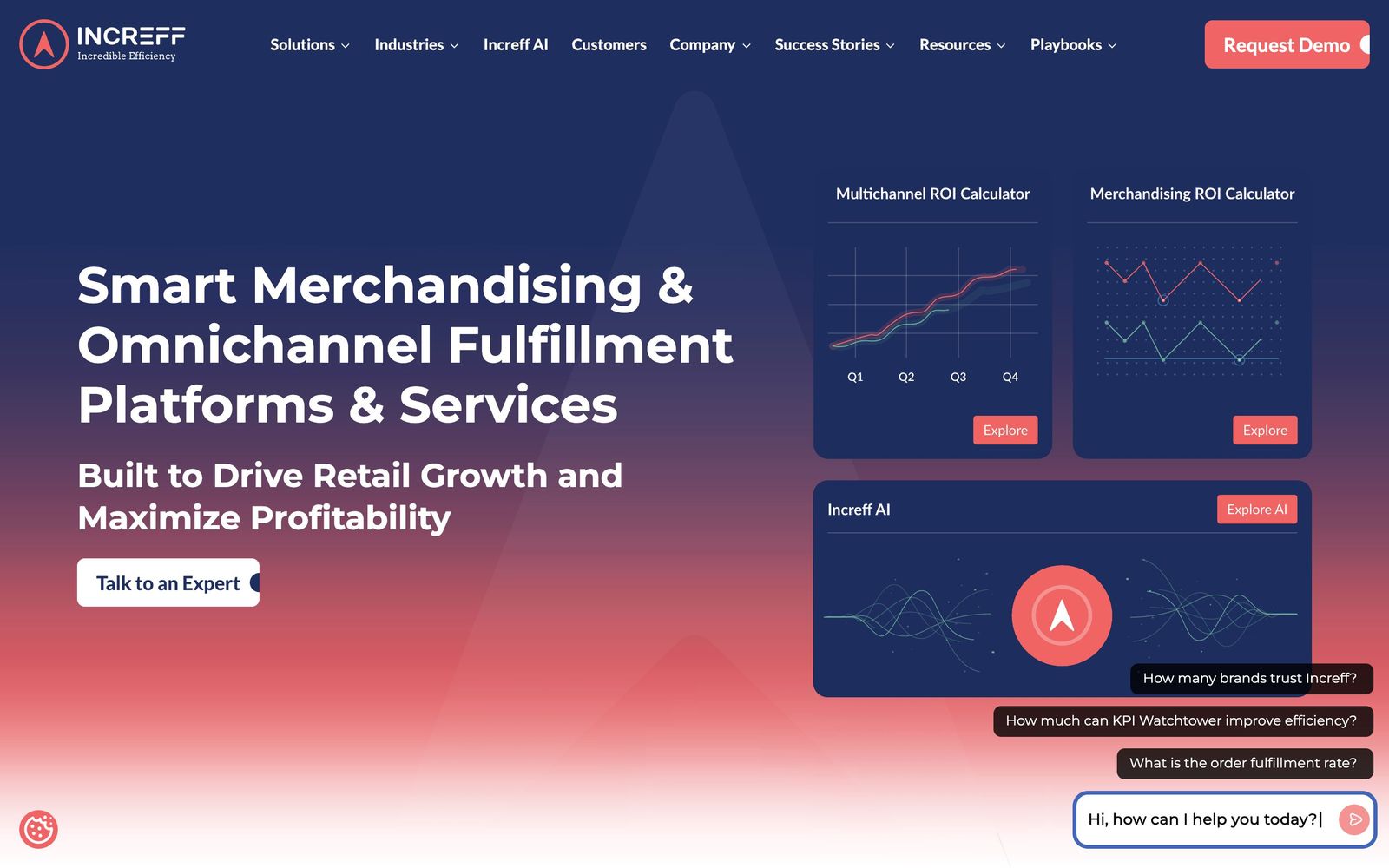
Increff sells supply chain software to brands whose inventory is spread across too many places to track by hand. There are three products. The warehouse management system runs the physical operation: receiving, putaway, picking, packing, dispatch and cross-docking, with inventory serialised down to the individual item rather than counted by SKU. For apparel, where a single style multiplies into dozens of size and colour combinations, that distinction is the difference between a stock figure you can promise against and one you cannot.
The order management system sits above it, routing orders arriving from marketplaces, a web store, retail locations and wholesale channels, and keeping the available-to-promise number synchronised across all of them within seconds. The third product, the merchandising and planning suite, works on the commercial side: demand forecasting, assortment planning, buying, allocation to stores, replenishment and markdown optimisation, with weekly and monthly sales and stock dashboards for planners. Store fulfilment features let physical locations act as dispatch points through click-and-collect, in-store returns and endless aisle. The company reports serving several hundred brands across dozens of countries, with a customer list weighted towards apparel and footwear.
Key features
The suite spans the warehouse floor and the buying office, which is unusual.
- Cloud warehouse management with serialised inventory, cross-docking and full dispatch workflows
- Multi-channel order routing with inventory synchronisation measured in seconds, not batches
- Demand forecasting, assortment planning, allocation, replenishment and markdown optimisation
- Weekly and monthly sales and stock intelligence dashboards for merchandise planners
- Store fulfilment covering click-and-collect, in-store returns, endless aisle and self-checkout
- Vendor inventory management for supplier drop-ship arrangements
Who it's for
This is for a brand that has genuinely outgrown the marketplace seller dashboard: multiple warehouses or a third-party logistics partner, several sales channels running at once, and enough SKU variation that allocation decisions have real money attached. Fashion is the sweet spot, since the planning modules are built around the seasonality, size curves and markdown cycles that define the category, but the same machinery serves footwear, accessories and other high-variant consumer goods.
It is the wrong answer for a small store. A single-warehouse operation selling a hundred SKUs should be looking at a lighter inventory tool, because the cost here is not only the licence but the implementation: data migration, integration with an existing ERP, warehouse process change and staff training. Buyers outside India and the surrounding region should also test the assumptions carefully, since much of the marketplace and courier integration depth was built for that market first, and a European or North American operation will care about a different set of connections.
How it compares
Unicommerce competes head-on in the same region with a broader mid-market inventory and order management offering and a lighter planning story. Increff wins on serialisation and on the merchandising suite, which is the piece most rivals do not attempt at all. Against Blue Yonder or Manhattan Associates, Increff is the smaller and cheaper option with a much faster implementation and correspondingly less depth in complex multi-country logistics. Against a self-serve tool such as Katana or Cin7, it is a different class of system entirely: far more capable, far more work to adopt, and impossible to buy with a credit card.
Verdict
Increff is a credible, specialised choice for apparel and D2C brands whose growth has turned inventory accuracy into a revenue problem. Serialised stock, fast multi-channel synchronisation and planning tools that sit on the same data are a strong combination, and the marketplace and ERP integrations are real rather than aspirational. The caveats are those of any enterprise supply chain purchase: no published pricing, a scoping and implementation phase before value arrives, and a product shaped by the fashion market in one region. Brands that match that profile should shortlist it; everyone else will find it heavier than the problem.
Ready to try Increff?
More ecommerce tools like Increff
ShipBob
3.9Outsourced ecommerce fulfilment across a global warehouse network, run from one inventory dashboard.
Read ShipBob review →MRPeasy
4.2Cloud manufacturing ERP that plans production against materials and capacity for small and mid-sized shops.
Read MRPeasy review →Shippo
4.2Multi-carrier label buying, rate comparison and tracking for online stores, with an API behind the same rates.
Read Shippo review →Katana Cloud Inventory
4.1Live inventory and production tracking for small manufacturers selling through Shopify, Amazon and wholesale.
Read Katana Cloud Inventory review →Sendcloud
4.1European shipping platform that turns store orders into carrier labels, tracking messages and returns.
Read Sendcloud review →Unleashed Software
4.1Cloud inventory, purchasing and light manufacturing for wholesalers and product businesses on Xero.
Read Unleashed Software review →